Blog Post
The Commercial Construction Process Explained: From Planning to Completion
DATE :
Thursday, April 14, 2022
CATEGORY :
Site Development
Every successful commercial construction project begins long before equipment arrives on-site. Whether you're building a new facility, renovating an existing property, or expanding a commercial space, success depends on careful planning, experienced project management, and seamless coordination between everyone involved.
Understanding the commercial construction process helps property owners, developers, facility managers, and business leaders make informed decisions, set realistic expectations, and confidently navigate each stage of a project.
At Diamond Construction Group, we believe transparency is just as important as craftsmanship. That's why we've broken down the commercial construction process into its key phases, giving you a clear picture of what to expect from the initial consultation through project completion.
Phase 1: Project Discovery and Initial Consultation
Every project starts with a conversation.
Before construction begins, it's important to fully understand the client's vision, goals, timeline, and budget. During the initial consultation, the contractor gathers information about the project while identifying opportunities and potential challenges.
Topics typically discussed include:
Project objectives
Existing property conditions
Budget expectations
Desired completion date
Building occupancy
Operational needs
Long-term goals
A successful project begins with a clear understanding of what success looks like for the client.
Phase 2: Pre-Construction Planning
Pre-construction is one of the most valuable stages of any commercial project.
Rather than waiting until construction begins to solve problems, experienced contractors identify risks and opportunities before work starts.
This phase often includes:
Budget development
Preliminary scheduling
Site evaluations
Constructability reviews
Value engineering
Material planning
Procurement strategies
Risk assessments
Investing time in pre-construction planning often saves both time and money throughout the life of the project.
Phase 3: Design and Engineering
Once project goals are established, the design team begins transforming ideas into construction documents.
Depending on the project, this may involve collaboration between:
Architects
Structural engineers
Civil engineers
Mechanical engineers
Electrical engineers
Interior designers
Specialty consultants
During this stage, the project takes shape through floor plans, elevations, engineering calculations, and material selections.
Early collaboration between designers and contractors helps improve efficiency while reducing costly revisions later.
Phase 4: Budgeting and Cost Estimating
One of the biggest concerns for commercial property owners is staying on budget.
Accurate cost estimating considers numerous factors, including:
Labor
Materials
Equipment
Permits
Site conditions
Utilities
Specialty systems
Contingencies
Rather than focusing solely on the lowest price, experienced contractors help clients understand where investments create the greatest long-term value.
Phase 5: Permitting and Regulatory Approvals
Before construction can begin, the project must comply with local and state regulations.
Depending on the location and scope of work, approvals may involve:
Building departments
Fire marshals
Utility providers
Environmental agencies
Health departments
Municipal review boards
Navigating Florida's permitting process requires experience and attention to detail.
Proper documentation and coordination help avoid unnecessary delays before construction begins.
Phase 6: Site Preparation
Once permits are approved, construction moves to the job site.
Preparation typically includes:
Safety fencing
Temporary utilities
Site access planning
Material staging
Erosion control
Utility marking
Dust control
Jobsite signage
For occupied buildings, additional measures are implemented to protect employees, visitors, tenants, or members.
Phase 7: Demolition (When Required)
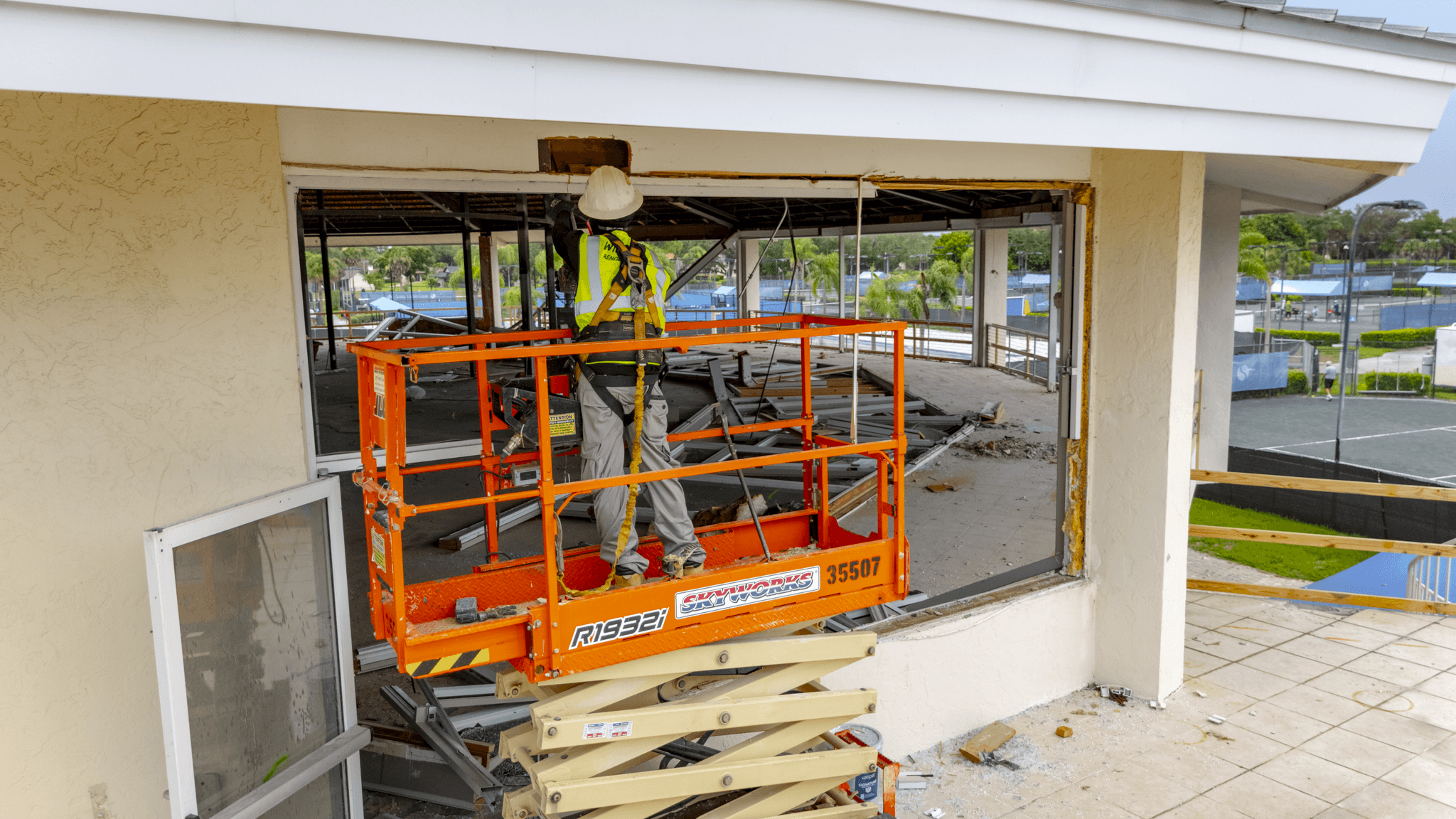
Many commercial projects begin with selective demolition.
This process may include removing:
Interior walls
Flooring
Ceilings
Outdated mechanical systems
Fixtures
Finishes
Structural components
Professional demolition is carefully planned to protect surrounding structures while preparing the space for new construction.
Phase 8: Construction Begins
With preparation complete, construction officially gets underway.
Depending on the project, this phase may involve:
Structural work
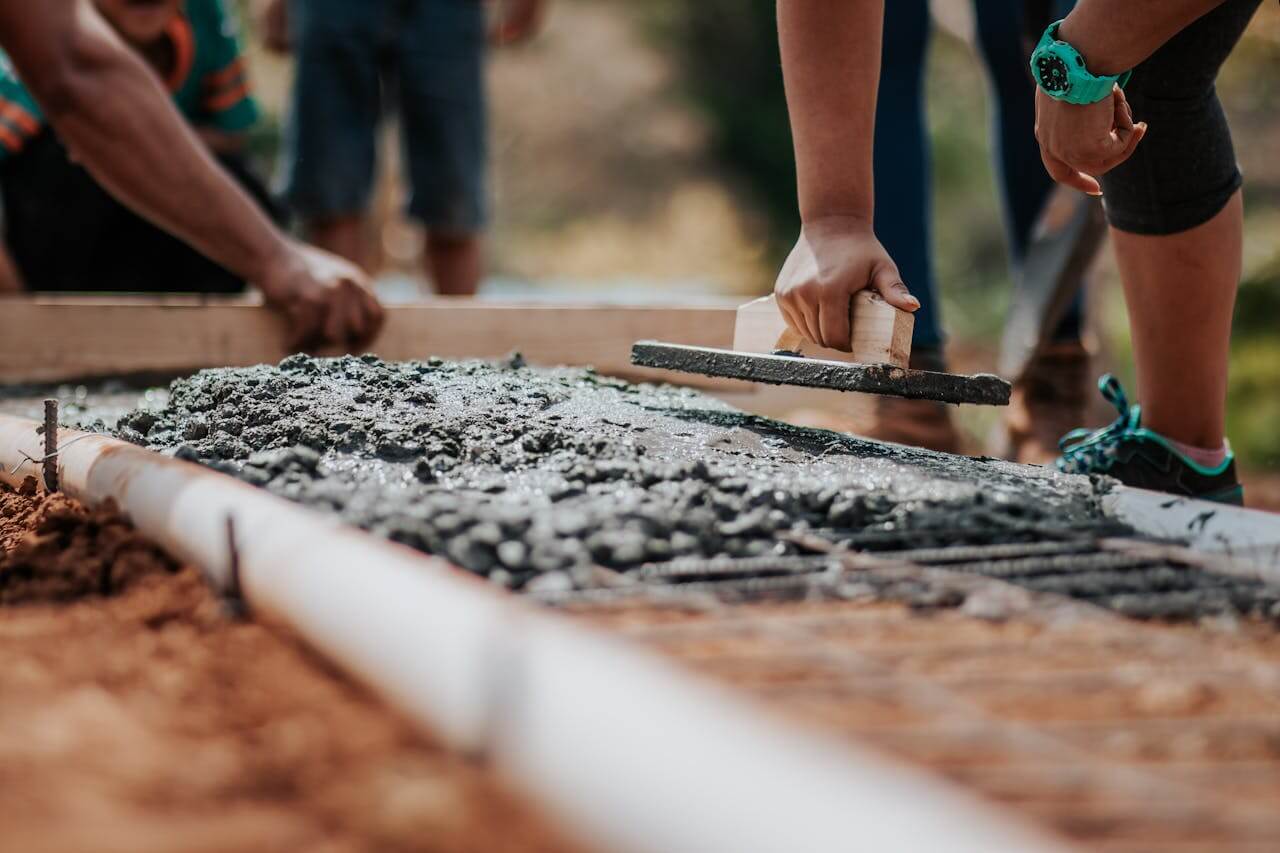
Concrete
Steel installation
Framing
Roofing
Mechanical systems
Plumbing
Electrical
Fire protection
Insulation
Drywall
Each trade follows a coordinated schedule designed to maximize efficiency while maintaining quality.
Phase 9: Interior Finishes
As the building begins taking shape, attention shifts toward interior finishes.
These may include:
Flooring
Painting
Ceiling systems
Cabinetry
Millwork
Doors
Glass systems
Lighting
Plumbing fixtures
Specialty equipment
This phase is where the client's vision truly comes to life.
Attention to detail becomes increasingly important as the project approaches completion.
Phase 10: Inspections and Quality Control
Commercial construction involves multiple inspections throughout the project.
These help ensure compliance with:
Florida Building Code
Local regulations
Safety standards
Engineering requirements
Construction documents
In addition to municipal inspections, experienced contractors perform ongoing quality control to ensure work meets the highest standards before moving to the next phase.
Phase 11: Final Walkthrough and Punch List
As construction concludes, the project enters its final review.
During the walkthrough, the contractor and owner inspect the completed work together.
Any remaining items are documented on a punch list, which may include:
Minor adjustments
Paint touch-ups
Hardware installation
Fixture alignment
Equipment testing
Final cleaning
Once all punch list items are complete, the project is ready for turnover.
Phase 12: Project Closeout
Project completion involves much more than handing over the keys.
Closeout typically includes:
Final inspections
Certificate of Occupancy (when applicable)
Warranty documentation
Operating manuals
Maintenance information
Final project documentation
A well-organized closeout ensures owners have everything they need to operate and maintain their facility moving forward.
The Importance of Communication Throughout Construction
One of the defining characteristics of a successful commercial project is communication.
Throughout every phase, owners should receive updates regarding:
Progress
Scheduling
Budget
Material deliveries
Inspections
Potential challenges
Upcoming milestones
Clear communication helps projects stay organized while building trust between the contractor and client.
Common Challenges During Commercial Construction
No two projects are identical.
Challenges may include:
Weather delays
Material shortages
Hidden building conditions
Permit timelines
Design revisions
Supply chain disruptions
Occupied facilities
Experienced contractors anticipate these issues and develop solutions that minimize disruptions while keeping projects moving forward.
Why Experience Matters
Commercial construction requires much more than technical expertise.
Successful contractors understand how to coordinate:
Multiple subcontractors
Architects
Engineers
Vendors
Inspectors
Municipal agencies
Property owners
This coordination keeps projects organized, efficient, and focused on delivering quality results.
Partner With Diamond Construction Group
At Diamond Construction Group, we guide our clients through every phase of the commercial construction process with professionalism, transparency, and attention to detail.
Whether we're managing a country club renovation, athletic facility expansion, office remodel, or large-scale commercial project, our team is committed to delivering exceptional craftsmanship while maintaining clear communication from beginning to end.
Our goal is simple: provide a construction experience that's as dependable as the finished product.
Final Thoughts
Commercial construction is a complex process involving careful planning, collaboration, and execution. While every project has unique requirements, following a structured process helps reduce uncertainty, improve efficiency, and deliver better long-term results.
By partnering with an experienced commercial contractor, property owners can confidently navigate each phase of construction and focus on achieving their long-term goals.
Whether your project involves renovating an existing space or building something entirely new, success starts with a strong plan—and the right construction partner.
Frequently Asked Questions
How long does a commercial construction project take?
Every project is different. Timelines depend on the project's size, complexity, permitting requirements, weather conditions, and material availability. Smaller renovations may take several weeks, while larger commercial developments can take many months.
What is pre-construction planning?
Pre-construction planning includes budgeting, scheduling, site evaluations, permitting coordination, constructability reviews, and material planning before physical construction begins.
What happens after construction is complete?
After construction, the contractor completes final inspections, addresses punch list items, provides warranty documentation, and turns the completed project over to the owner.
Why are inspections required during commercial construction?
Inspections verify that work complies with building codes, safety regulations, engineering requirements, and approved construction documents.
Does Diamond Construction Group manage the entire construction process?
Yes. Diamond Construction Group provides comprehensive commercial construction services, guiding clients from initial planning through project completion while maintaining a strong focus on quality, communication, and project management.
NEVER MISS A THING!
Subscribe and get freshly baked articles. Join the community!
Join the newsletter to receive the latest updates in your inbox.
Article